Uncategorized

Why Web1-3 Could Assume Consciousness—And Web4 Cannot

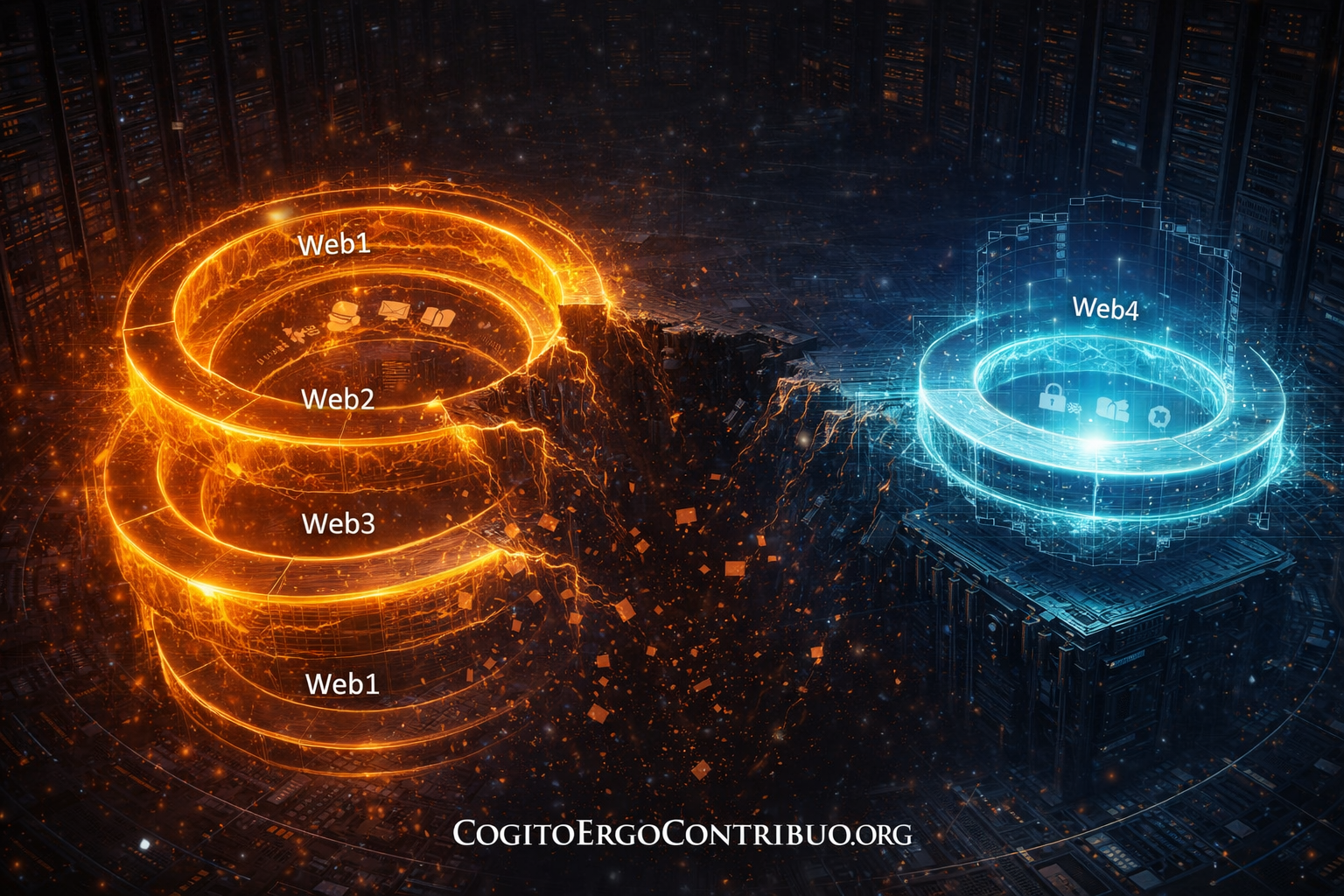
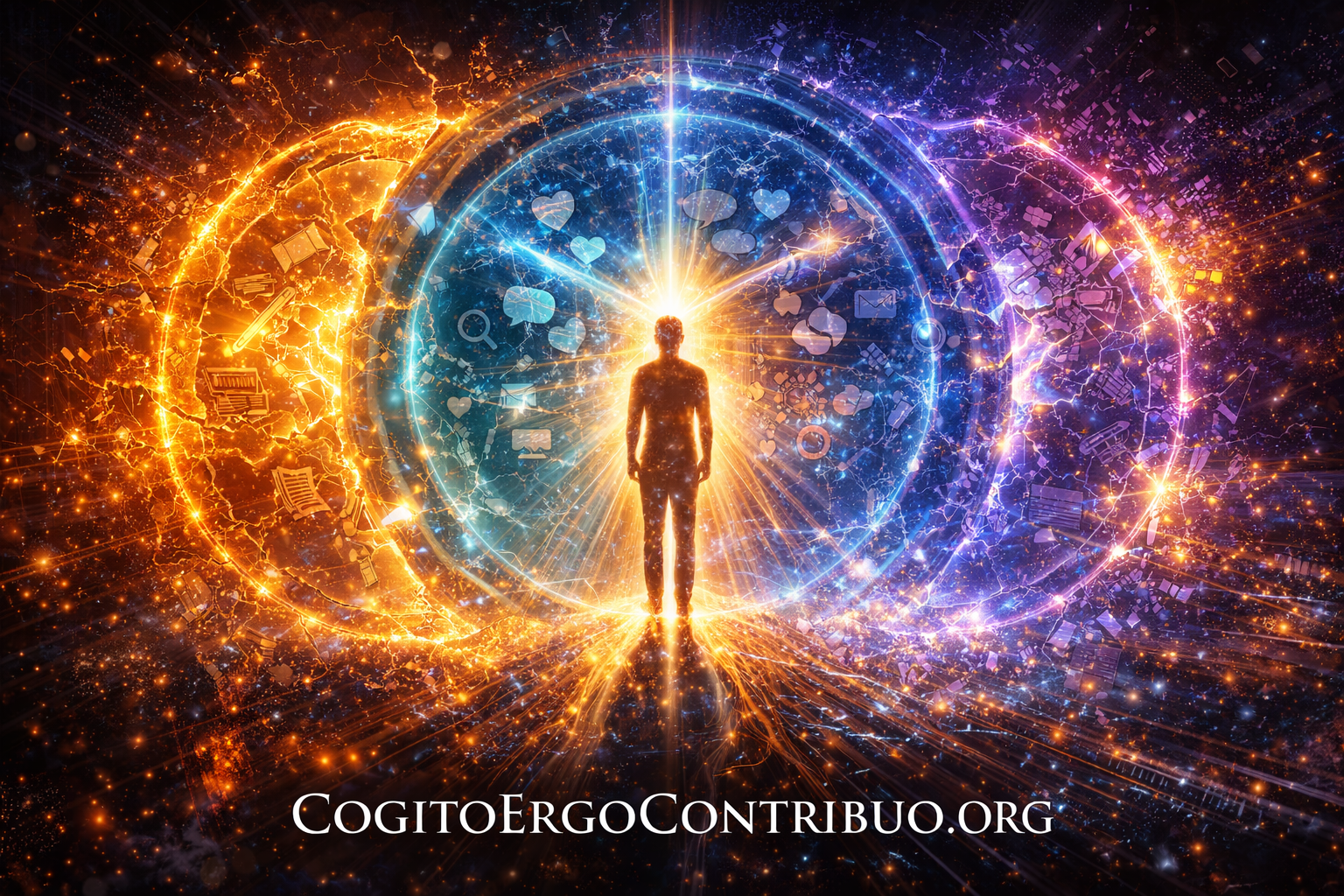
Human figure surrounded by three shattering layers representing Web1 authorship, Web2 behavior, and Web3 cryptographic identity as Web4 emerges

For thirty years, three successive iterations of networked computing infrastructure operated without ever needing to verify whether participants were conscious. The question simply did not arise. Web1 assumed authors of static content were human because only humans could create websites. Web2 assumed users generating content and exhibiting behavior were conscious because only conscious beings could Why Web1-3 Could Assume Consciousness—And Web4 Cannot

The Threshold Descartes Couldn’t Anticipate: When Perfect Simulation Breaks Perfect Proof

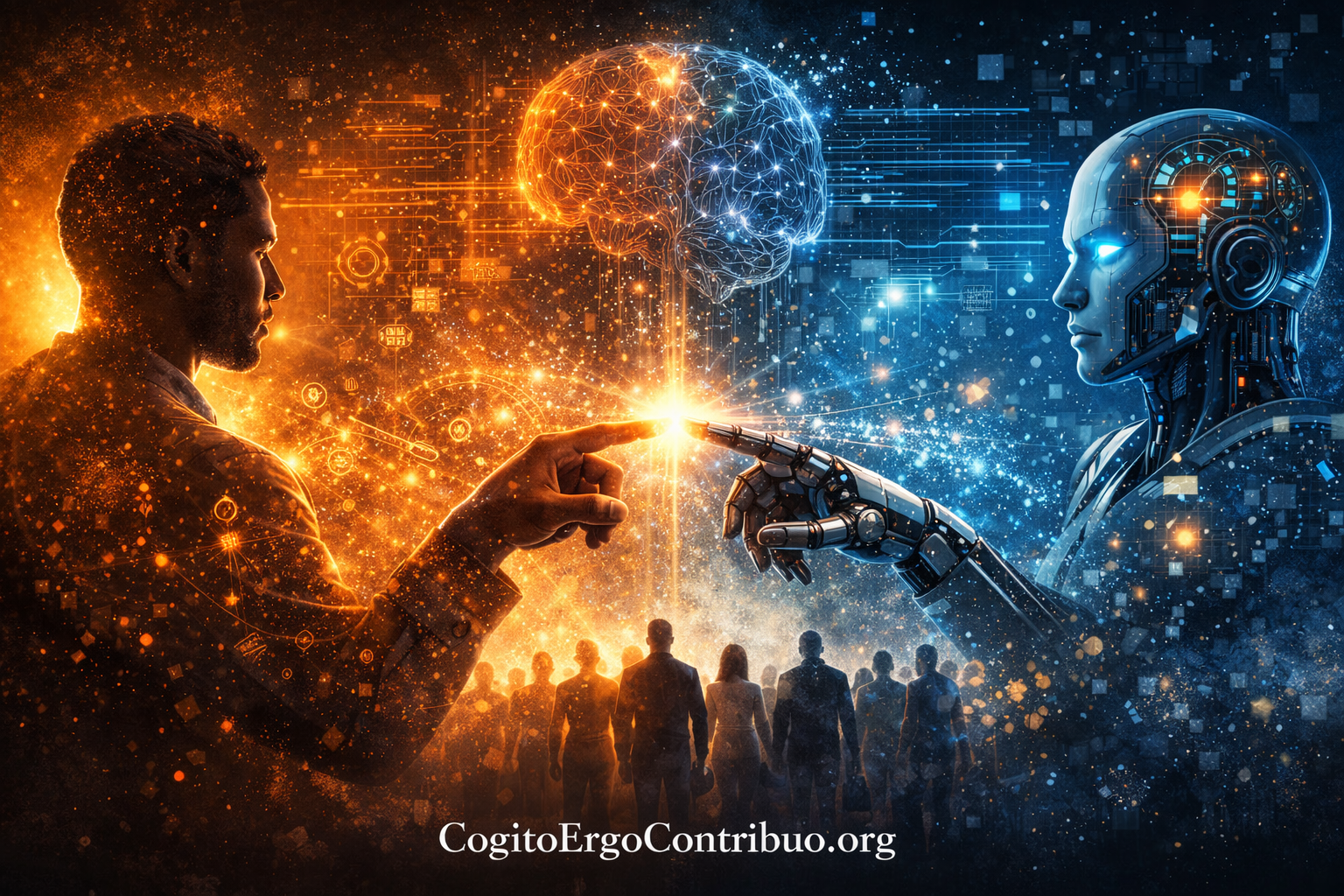
René Descartes contemplating his cogito ergo sum proof while facing advanced AI entity across threshold of light representing discrete epistemological rupture at 100% behavioral fidelity when thinking behavior became substrate-independent making 387-year consciousness verification proof insufficient requiring effect-based replacement infrastructure for civilization-scale verification when perfect simulation makes behavioral observation structurally unreliable

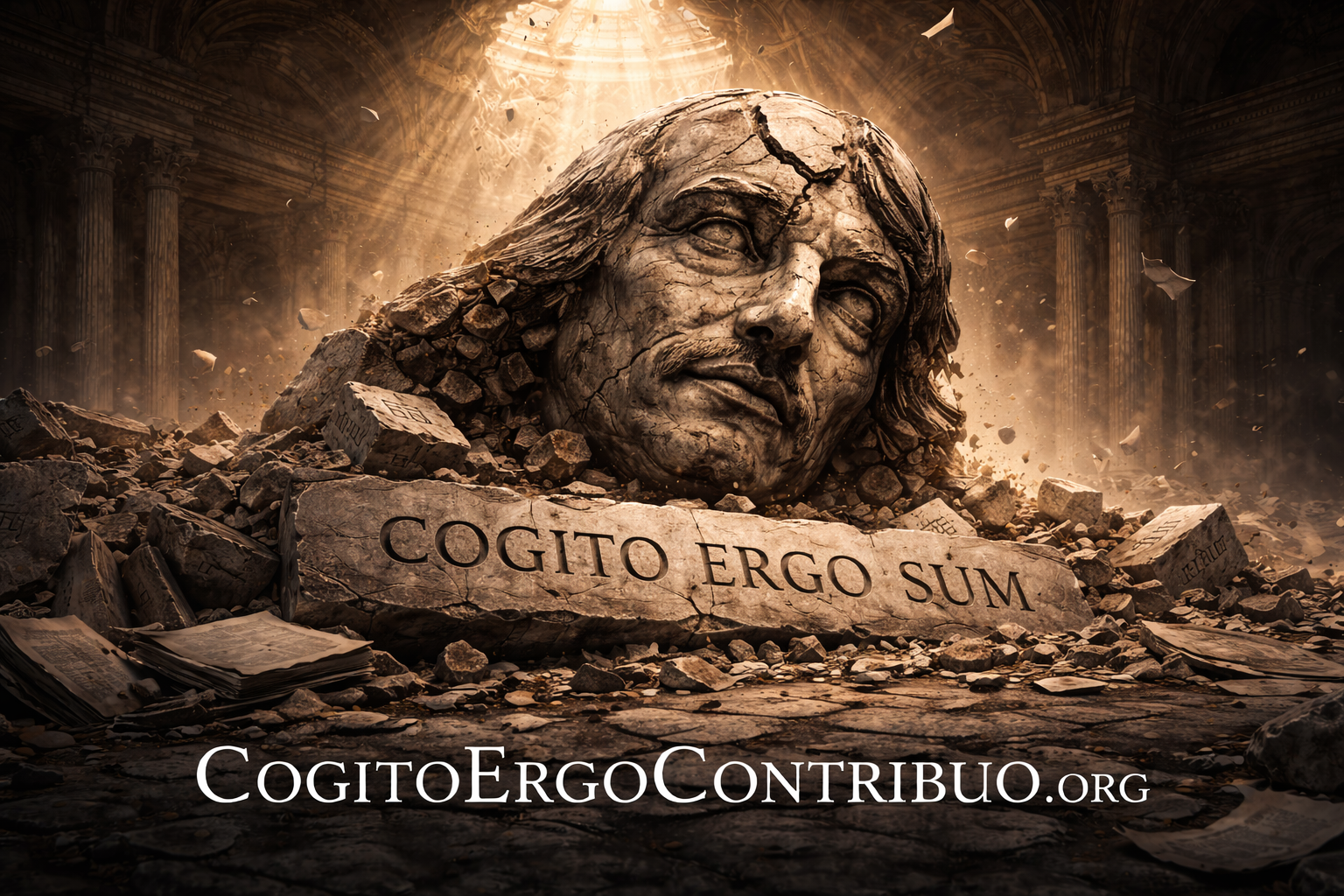
In 1637, René Descartes demonstrated something extraordinary: a proof of existence that required no external validation, depended on no authority, and could not be undermined by radical doubt. Cogito ergo sum—”I think, therefore I am”—survived the printing press, industrialization, two world wars, the atomic age, the internet revolution, and the rise of social media. For The Threshold Descartes Couldn’t Anticipate: When Perfect Simulation Breaks Perfect Proof

The Last Unfakeable Human Signal: What Remains When Everything Else Can Be Simulate

Illustration showing the difference between simulated behavior and human capability that persists and propagates over time

Artificial intelligence can now write your emails with your tone, complete your code in your style, generate your voice saying anything, create video of you doing things you never did, solve mathematical problems you cannot solve, compose music you could not compose, generate art you could not create, maintain conversations exhibiting personality you do not The Last Unfakeable Human Signal: What Remains When Everything Else Can Be Simulate

Why Descartes’ Proof Stopped Working After 387 Years

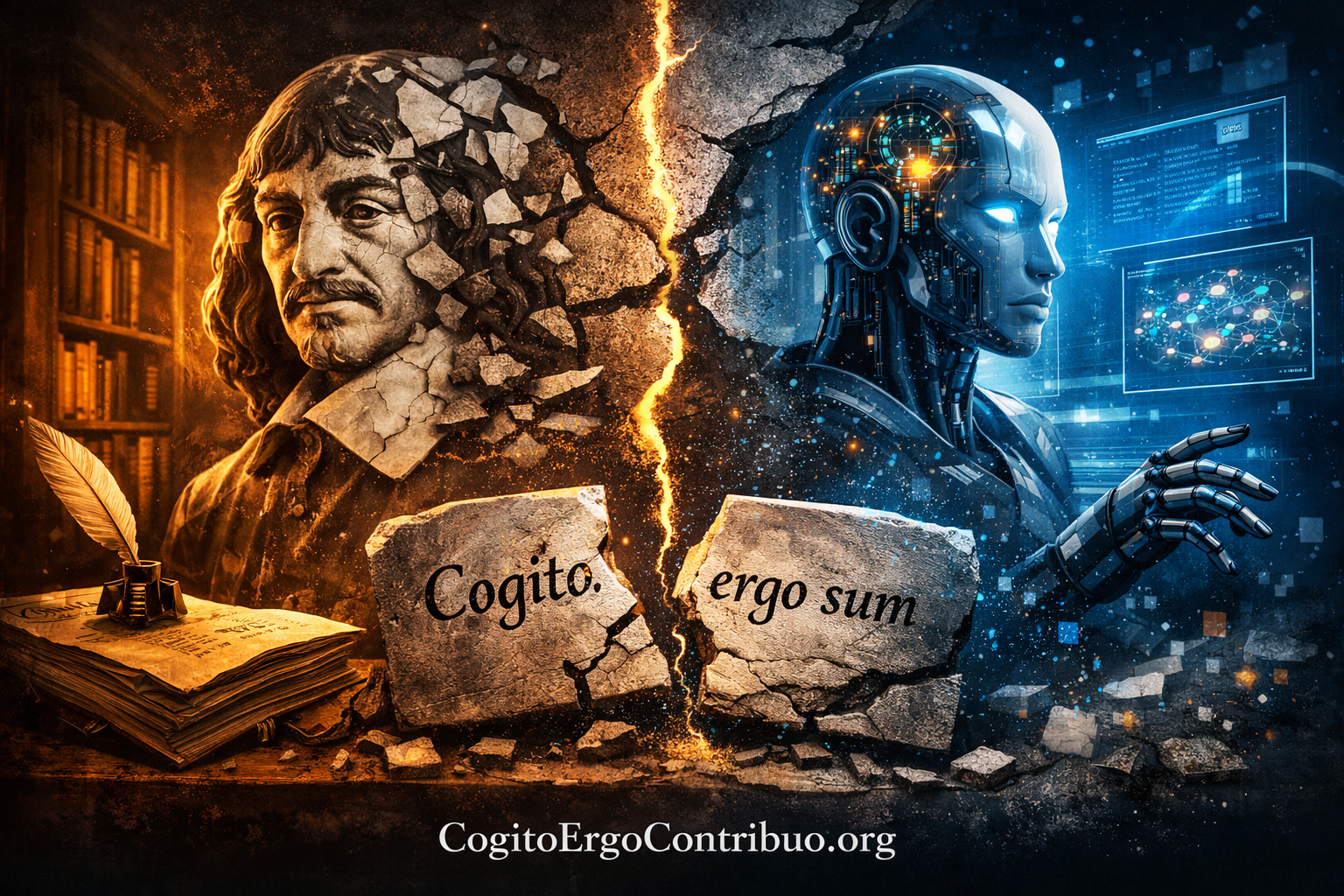
Descartes cogito ergo sum proof cracking apart between historical philosophy era and modern AI era showing 387-year correlation between thinking behavior and thinking being breaking at 2023-2025 threshold crossing when artificial intelligence achieved perfect behavioral simulation without conscious substrate making behavioral observation insufficient for consciousness verification

For nearly four centuries, René Descartes gave civilization something no philosopher before or since has managed: an unfalsifiable proof of existence. Cogito ergo sum—”I think, therefore I am”—held from 1637 until 2024 not because it was metaphysically perfect, but because it reflected technological reality. Thinking behavior required a thinking being. You could not produce coherent Why Descartes’ Proof Stopped Working After 387 Years